


WOKEFARMING
A regenerative manifesto
Scroll
Issue 01 — The Soil Revolution
They called it "woke."
We call it science.
Somewhere between the culture wars and the compost heap, regenerative agriculture became the most irrationally controversial idea in farming. The premise? Treat the soil like a living system. Work with biology, not against it.
Apparently, that's radical. Apparently, planting cover crops and reducing tillage is a political statement. We'd argue it's just good farming — the kind your great-grandparents practiced before we decided chemicals were a personality trait.
Yes, we're aware of the irony. Keep scrolling.
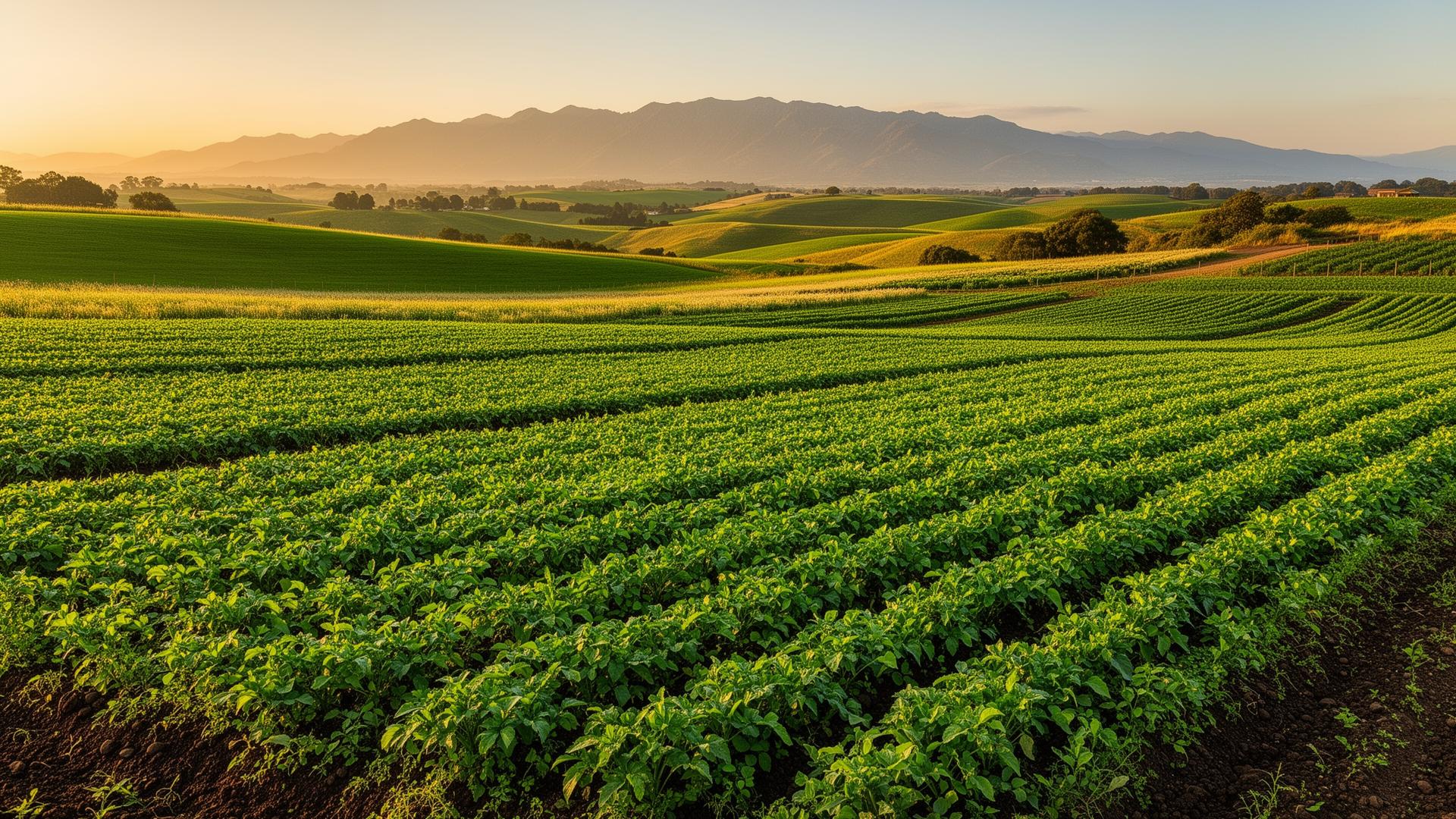
SOIL IS THE NEW TECH
Interactive — Tap to explore
What's beneath your feet?
Spoiler: more drama than most Netflix series.
O Horizon — Organic LayerO Horizon
0–5 cm
A Horizon — TopsoilA Horizon
5–30 cm
B Horizon — SubsoilB Horizon
30–100 cm
C Horizon — Parent MaterialC Horizon
100+ cm
↑ Tap a soil layer to explore
Now let's follow the carbon down the rabbit hole...
Animating — Tap to explore manually
How dirt saves the world.
Watch the carbon flow through the regenerative cycle — or tap any node to explore.
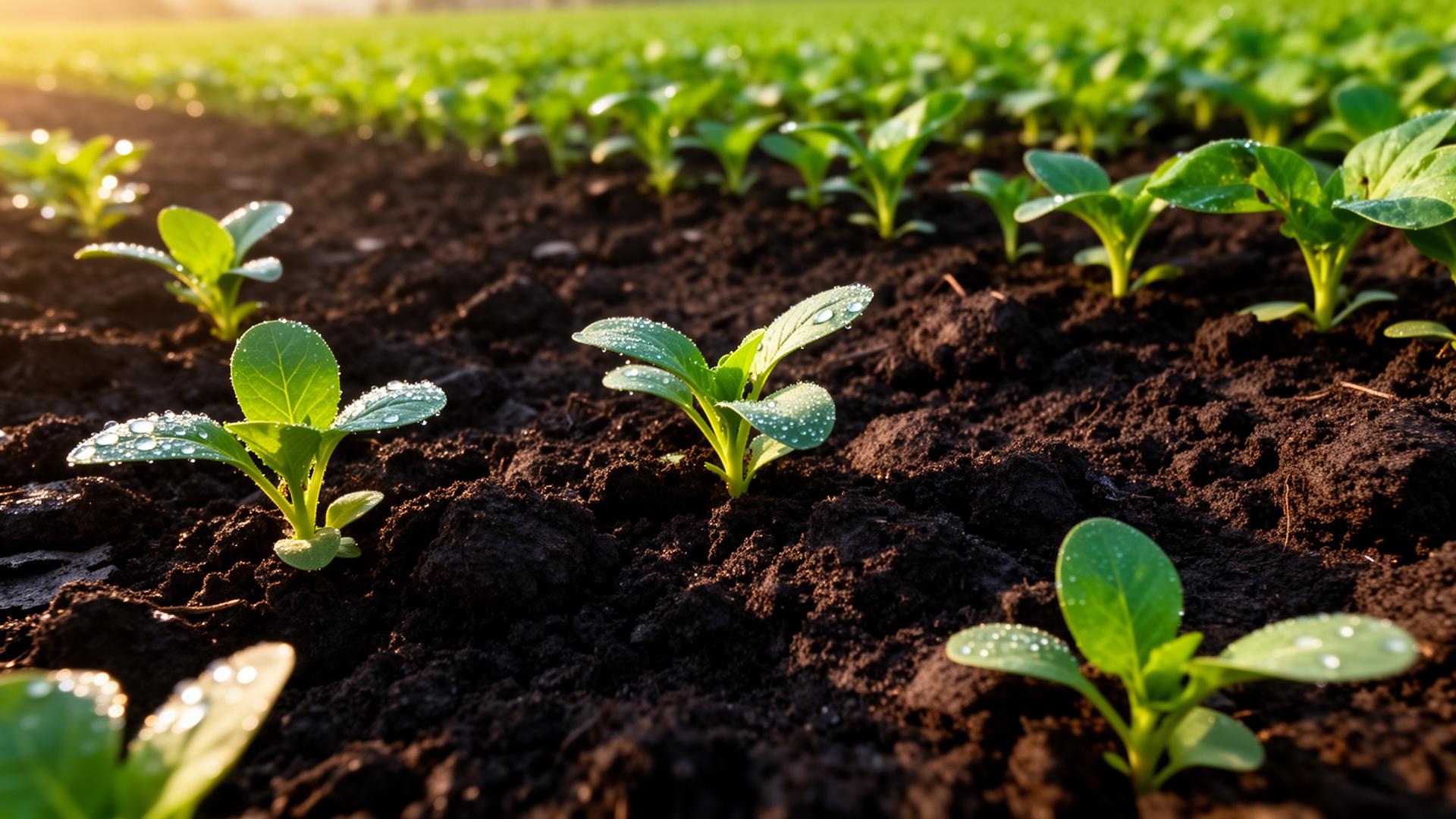
GROW SOMETHING REAL
The numbers don't care about your feelings.
Regenerative farms sequester up to 3.6 tonnes of CO₂ per hectare per year. They increase water infiltration by 150%. They rebuild topsoil at rates that make conventional agriculture look like a demolition project.
Biodiversity doesn't just return — it thrives. Pollinator populations rebound. Soil microbiomes become ecosystems unto themselves. And farmer profitability? It goes up, because healthy soil doesn't need a pharmacy.
3.6t
CO₂ sequestered per hectare, per year
That's the weight of a small car. Buried. Every year.
150%
increase in water infiltration
Less flooding, more groundwater. Your well says thank you.
≤78%
reduction in chemical inputs
Your food, with fewer things you can't pronounce.
— Still think this is "just" farming? —
Enough talking. Let's compare.
Interactive comparison
The old way vs. the woke way.
Drag the slider to shift the balance. Watch what changes.
Conventional
Regenerative
Topsoil lost per year
Billions of tonnes
Topsoil built per decade
+up to 2 cm new topsoil
Chemical fertiliser use
190 million tonnes/yr
Chemical inputs
Reduced up to 78%
Soil biodiversity
Estimated decline of 2% annually
Soil biodiversity
Up to 300% increase in 5 years
Water infiltration
Significantly reduced in degraded soils
Water infiltration
150% improvement
Carbon balance
Net emitter
Carbon balance
Net sequestering 3.6t/ha/yr
Conventional Agriculture
Topsoil lost per year
Billions of tonnes
Chemical fertiliser use
190 million tonnes/yr
Soil biodiversity
Estimated decline of 2% annually
Water infiltration
Significantly reduced in degraded soils
Carbon balance
Net emitter
Regenerative Agriculture
Topsoil built per decade
+up to 2 cm new topsoil
Chemical inputs
Reduced up to 78%
Soil biodiversity
Up to 300% increase in 5 years
Water infiltration
150% improvement
Carbon balance
Net sequestering 3.6t/ha/yr
The balance is shifting. Every hectare counts.
(You're literally dragging agriculture into the future right now.)
Spoiler: we didn't get here overnight
Timeline — Scroll to reveal
From radical to rational.
Chemical Revolution
Synthetic fertilisers and pesticides industrialise farming. Yields skyrocket. So does soil degradation.
Silent Spring
Rachel Carson sounds the alarm. The world listens — briefly — then goes back to spraying.
No-Till Gains Ground
Early adopters stop ploughing, tracked by the USDA. Their neighbours call them lazy. Their soil starts healing.
Carbon Farming Emerges
Scientists demonstrate soil can act as a significant carbon sink. Policymakers file it under 'interesting' and move on.
4 per 1000 Initiative
Launched at COP21: increase soil carbon by just 0.4% per year and it could theoretically offset a significant share of global CO₂ emissions. It's not magic — it's biology.
Mainstream Momentum
Major food companies invest in regenerative supply chains. What was once 'woke' is now Wall Street.
The Tipping Point
You're reading this. Millions of hectares now under broadly defined regenerative management globally. The revolution is underway.
Theory is nice. Practice is better.
Interactive — Explore Practices
The toolkit of the woke farmer.
"Never leave soil naked."
Planting non-cash crops between seasons protects soil from erosion, adds nitrogen, feeds microbes, and suppresses weeds — all without chemicals. It's the agricultural equivalent of wearing sunscreen.
If caring about the planet is "woke,"
then consider us wide awake.
The regenerative movement isn't a trend. It's a return to common sense — amplified by modern science, driven by farmers who refuse to accept that feeding the world means destroying it.
Every forkful of healthy soil is an act of quiet rebellion against a system that profits from depletion. And honestly? That's the most exciting thing happening in agriculture.
"The best time to start regenerating soil was twenty years ago. The second best time is before you finish reading this sentence."
— Every regenerative farmer, probably

If you've scrolled this far, you're basically a soil scientist now. Put it on your LinkedIn.
No earthworms were harmed in the making of this editorial. Several were promoted to middle management.
